
Kubota Mini Excavator: What Can You Use One For?
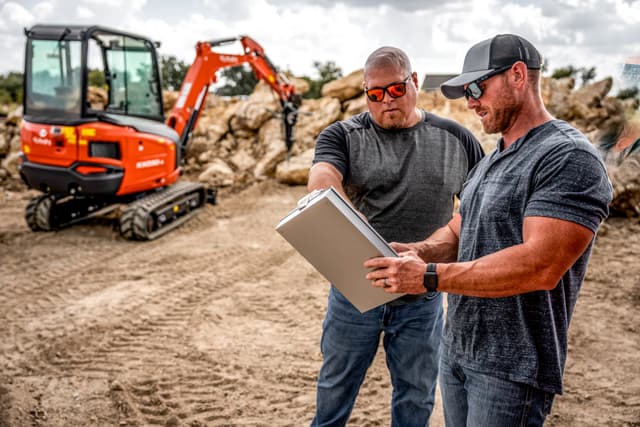
A Kubota mini excavator can be a valuable machine for contractors, landscapers, utility crews, farmers, and property owners who need digging capability in a compact package. These machines can handle much more than simply digging holes.
Depending on the model and attachments, a mini excavator can be used for trenching, drainage work, landscaping, site preparation, utility projects, stump removal, and many other jobs.
The right mini excavator depends on the work you need to perform, how much space you have, how deep you need to dig, and how often you'll use the machine.
At Sink Farm Equipment, we help contractors, landscapers, farmers, rental businesses, municipalities, and property owners throughout the Lexington, NC area find Kubota equipment that fits the job.
What Is a Mini Excavator?
A mini excavator is a compact construction machine designed primarily for digging and excavation.
Unlike a skid steer or loader, which is often used for moving and grading material, an excavator is designed around an articulated boom, arm, and bucket that allow the operator to dig below the machine and work in areas that may be difficult to reach with other equipment.
Mini excavators are smaller than full-size excavators, making them useful for residential construction, landscaping, utility work, and other projects where access and maneuverability are important.
Their compact size can make it easier to work around buildings, driveways, landscaping, fences, and other obstacles.
What Can a Kubota Mini Excavator Do?
A Kubota mini excavator can be used for a wide range of jobs, including:
The specific capabilities depend on the size and configuration of the excavator and the attachments being used.
Digging and Excavation
Digging is the primary job of a mini excavator.
Whether you're digging for a drainage project, preparing a foundation, removing soil, or creating space for landscaping, the excavator's boom and bucket are designed to make excavation work more efficient.
The size of the project matters when choosing a machine.
A small residential excavation may require a very different machine from a contractor performing deeper or larger-scale excavation work.
Before choosing an excavator, consider how deep and wide you need to dig and what type of material you'll be working with.
Trenching for Utilities
Mini excavators are commonly useful for trenching.
Contractors may use them for projects involving:
- Water lines
- Drainage
- Electrical lines
- Plumbing
- Irrigation
- Other underground utilities
The compact footprint can be particularly helpful when working around existing buildings, driveways, landscaping, or other structures.
For contractors such as plumbers and utility installers, choosing the right excavator size can help balance digging capability with access to the job site.
Drainage Projects
Poor drainage can cause problems around homes, farms, businesses, and construction sites.
A mini excavator can help with projects such as digging drainage ditches, preparing areas for drainage systems, and installing or repairing drainage lines.
The machine's digging capability allows operators to remove soil and create trenches without relying entirely on manual labor.
For drainage contractors, landscapers, and property owners, this can make a mini excavator a useful addition to the equipment fleet.
Landscaping
Mini excavators aren't limited to traditional construction work.
Landscapers can use them for projects that require excavation or material movement, including:
- Removing landscaping features
- Preparing planting areas
- Digging for retaining walls
- Creating drainage features
- Removing stumps
- Preparing areas for patios and other outdoor improvements
Their compact size can be especially useful when working in residential yards where a larger excavator may not have enough room to maneuver.
Stump Removal
Removing large stumps by hand can be difficult and time-consuming.
A mini excavator can provide the digging force needed to expose roots and remove stumps, depending on the size of the stump and the capabilities of the machine.
The excavator can also help clean up the area after the stump has been removed.
For land-clearing and landscaping contractors, this can be one of the many jobs that makes a mini excavator useful throughout the year.
Site Preparation
Before construction begins, a site often needs to be prepared.
A mini excavator can help with excavation, clearing, digging, and other preparation work.
Projects may include preparing areas for:
- Buildings
- Foundations
- Driveways
- Drainage
- Utilities
- Landscaping
- Outdoor structures
The appropriate machine depends on the size of the project and the amount of material that needs to be removed or moved.
Working in Tight Spaces
One of the biggest advantages of a mini excavator is its maneuverability.
Construction and landscaping projects don't always take place on wide-open job sites. You may need to work between buildings, near fences, beside driveways, or in a residential backyard.
A smaller excavator can provide digging capability while taking up less space than a larger machine.
This can be especially valuable for contractors who regularly work on residential projects.
Mini Excavator Attachments
The bucket is not the only tool you can use with a mini excavator.
Depending on the machine and attachment, an excavator can be adapted for different types of work.
Attachments can include equipment designed for applications such as:
- Digging
- Trenching
- Breaking
- Grading
- Brush clearing
- Other specialized construction and landscaping work
Before purchasing an attachment, make sure it is compatible with the excavator and appropriate for the job.
The hydraulic capabilities, attachment weight, operating capacity, and machine specifications all matter.
What Size Kubota Mini Excavator Do I Need?
There is no single mini excavator size that is right for every job.
The best size depends on several factors.
Digging Depth
If you regularly need to dig deep trenches or excavations, make sure the machine can reach the required depth.
Job-Site Access
Measure gates, driveways, pathways, and other access points before choosing a machine.
A machine that can't reach the work area isn't going to help, no matter how capable it is.
Material
The type of soil and material you're excavating can affect the amount of digging force you need.
Job Size
A machine that is ideal for small residential projects may not be efficient for large commercial excavation work.
Transportation
Think about how you'll move the excavator between job sites.
Machine size and operating weight can affect your trailer and towing requirements.
Attachments
If you plan to use specialized attachments, make sure the excavator has the hydraulic and operating capabilities needed for them.
Mini Excavator vs. Other Construction Equipment
A mini excavator isn't the best machine for every construction job.
If digging is the primary task, an excavator may be the better choice.
If your work involves more loading, grading, and material handling, a skid steer or compact track loader may make more sense.
For larger material-handling jobs, a wheel loader may be more appropriate.
The key is to match the machine to the work instead of choosing equipment based only on size or horsepower.
Who Can Benefit From a Mini Excavator?
Mini excavators can be useful for a wide variety of businesses and property owners.
Landscapers
Landscapers can use mini excavators for drainage, hardscape preparation, stump removal, grading, and other excavation work.
Plumbers and Utility Contractors
Trenching and underground utility work are common applications for compact excavators.
General Contractors
A mini excavator can provide excavation capability for residential and smaller commercial construction projects.
Farmers and Landowners
Property owners may use compact excavators for drainage, land improvement, clearing, and other projects.
Municipalities
Municipal crews may use mini excavators for drainage, utility maintenance, parks, and other infrastructure work.
Rental Businesses
A compact excavator can be a versatile rental machine because it can serve customers working on a variety of residential and commercial projects.
Should You Buy or Rent a Mini Excavator?
The answer depends on how often you expect to use it.
If excavation is a regular part of your business, owning a machine may make sense because you have access to it whenever you need it.
If you only need an excavator for occasional projects, renting may be worth considering.
Businesses should look at expected utilization, transportation, maintenance, financing, storage, and the revenue the machine can generate.
The more frequently the machine is used, the more important it becomes to choose equipment that fits your typical jobs.
How to Choose the Right Kubota Mini Excavator
Before choosing a machine, make a list of the work you expect it to perform.
Ask yourself:
How deep do I need to dig?
This can help narrow down the appropriate machine size.